Some topics never fully leave the room. They just change corners. Matka is one of those. It drifts through conversations, resurfaces in digital spaces, then fades back into background noise — never quite gone, never fully addressed. For many people in India, matka isn’t a headline or a scandal. It’s a memory. A habit. A fragment of everyday life that once felt normal and now feels complicated.
If you grew up in a neighborhood where people lingered over tea a little longer than necessary, you probably heard whispers about numbers. Not shouted, not announced. Just casually dropped, the way people talk about the weather or the price of onions. Those conversations weren’t always about money. Often, they were about curiosity, about seeing if intuition could outsmart chance, even for a day.
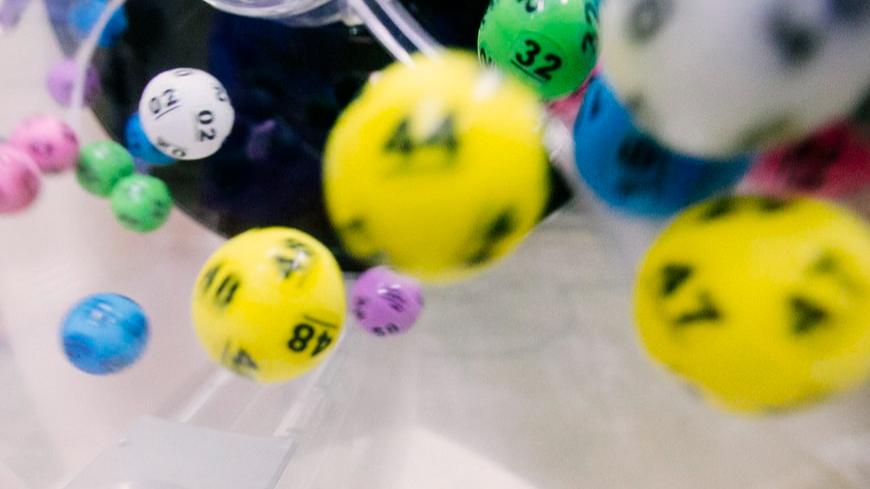 The phrase इंडियन मटका ↗ carries more weight than it seems at first glance. It isn’t just a label for a game or a system. It’s a cultural shorthand, tying together decades of informal practices, street-level economics, and shared beliefs about luck. In its early forms, matka wasn’t fast or flashy. It moved at human speed. People waited. They talked. They argued. They laughed when predictions failed — which was often.
That slower rhythm mattered. Waiting gave people time to cool off, to change their minds, to decide not to play today. There were natural pauses built into the process. You couldn’t refresh a screen endlessly. You couldn’t drown in predictions from strangers. Information came from faces you recognized, voices you trusted, or at least understood.
Over time, matka changed, because everything changes. Cities expanded. Lifestyles sped up. Technology arrived and removed friction from almost every part of daily life. What once required effort now needed only attention. And attention, as we’ve learned, is easier to lose than money.
This shift didn’t just alter access; it changed how people felt. The emotional cycle tightened. Anticipation shortened. Results arrived faster than reflection. When outcomes come instantly, there’s less space to ask whether you should be involved at all. That’s where risk quietly grows — not from the numbers themselves, but from the pace surrounding them.
Within this evolving landscape, certain names and markets gained reputations. madhur matka ↗, for instance, is often mentioned with a sense of familiarity rather than hype. It’s spoken about the way people talk about something they’ve followed for years — not necessarily trusted, not necessarily doubted, just known. These reputations don’t form overnight. They’re built from shared stories, repeated experiences, and collective memory.
What’s important to understand is that matka doesn’t hook everyone the same way. For some, it stays firmly on the edges of life. A topic of discussion, a mental puzzle, something to observe rather than participate in deeply. For others, it becomes more personal. A win feels validating. A loss feels unfair. And once emotions attach themselves to outcomes, logic tends to take a back seat.
This emotional attachment is where many misunderstandings begin. Outsiders often assume that people involved in matka are chasing quick money. Sometimes that’s true. But often, it’s about something less obvious: control. Or the illusion of it. In a world that can feel unpredictable, numbers offer the promise — even if false — that patterns exist and can be learned.
There’s also a social element that doesn’t get enough attention. Matka conversations were once communal. People checked each other. Teased excess seriousness. Warned newcomers. These informal social limits didn’t eliminate risk, but they softened it. Online spaces, by contrast, are flatter and louder. Every prediction sounds confident. Every tip looks urgent. Without context, it’s easy to mistake repetition for truth.
This doesn’t mean matka should be romanticized. Losses are real. Consequences are real. Many people have learned hard lessons they didn’t plan to sign up for. Ignoring that reality would be dishonest. But so is pretending that matka exists in a vacuum, disconnected from culture, economics, and human psychology.
The more useful conversation sits somewhere in the middle. It asks why certain numbers feel powerful. Why near-misses feel more painful than clean losses. Why people remember wins longer than losses. These questions don’t excuse harmful behavior, but they do explain why simple warnings often fail to change it.
Younger generations now encounter matka differently. For them, it’s less about street-corner chatter and more about screens, links, and anonymous voices. That shift removes some of the folklore and replaces it with immediacy. The challenge is helping people understand not just the rules, but the emotional mechanics — how quickly interest can turn into habit if left unchecked.
At its core, matka reflects something universal. Humans are pattern-seekers. We don’t like randomness. We prefer stories with causes and effects, even when none exist. Numbers become symbols because we make them so. The danger isn’t in noticing patterns; it’s in trusting them more than reality.
In the end, matka isn’t just about numbers on a chart or results announced at a fixed time. It’s about how people negotiate uncertainty, how culture shapes risk, and how habits form quietly, without permission. Talking about it honestly — without hype, without shame — is the only way those conversations grow more useful.