When Curiosity Meets Chance: A Real Look at the World People Call “Matka”
Some topics have a strange way of pulling you in, even when you weren’t planning to write about them. Matka is one of those things. It sits in that odd corner of the internet where curiosity, caution, nostalgia, and a bit of thrill all collide. If you’ve ever stumbled on it during a late-night scroll or overheard someone dropping the word casually like no big deal, you might’ve wondered what really goes on in that world. And honestly, the answer is… a mix of stories, assumptions, and a bit of modern digital chaos.
People usually don’t talk openly about games of chance, but they remain a part of culture, especially in India where traditions evolve while carrying their old echoes. Matka is no exception. It’s the kind of thing everyone has heard of, not everyone fully understands, and most people approach with a quiet curiosity rather than outright enthusiasm.
How It All Began (Or At Least, How People Say It Did)
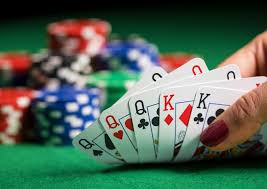 If you ask five different people when Matka started, you’ll probably get five different stories. Some will tell you it grew out of Mumbai’s busy streets, others say it began with folks betting on cotton prices shipped from New York decades ago. And then some claim it’s older than all of that, passed through communities like a whispered secret. That’s part of why it survives — mystery is strangely durable.
Somewhere along the way, digital culture picked it up, spun it around, added websites, fast results, online charts, and made everything louder (and a little more confusing). Amid all those modern twists, one thing that still appears frequently in online chatter is matka 420 ↗, used in ways that mix slang, humor, and sometimes just a random placement in conversation. It’s one of those phrases that refuses to fade even when nobody explains it clearly.
What Actually Draws People In?
People rarely admit curiosity, but they absolutely feel it. For some, it’s the nostalgia — hearing older relatives talk about the days when handwritten charts and whispered results were a weekly ritual. For others, it’s the idea of beating the odds, even though the odds are rarely in anyone’s favor. And then there are those who simply stumble into it while browsing online, not intending to get involved but wanting to understand how the whole thing works.
It’s similar to how people get fascinated with tarot, astrology, or even old arcade games. There’s a charm in watching numbers, symbols, and predictions collide. You don’t necessarily need to participate to find the culture around it interesting.
And let’s be real: humans enjoy patterns. Even when the patterns don’t guarantee anything.
The Online Era: Faster, Louder, and Way More Confusing
The modern version of matka isn’t like the older tales people whisper with nostalgia. Now it’s everywhere — websites, social channels, instant-result apps, and random forums where half the advice contradicts the other half. You’ll see bold claims, dramatic predictions, and self-proclaimed “experts” offering tips as if they cracked some secret algorithm.
In the middle of all this digital noise, the term indian matka ↗ pops up a lot, usually used to differentiate older, local formats from newer globalized versions. It has become a kind of umbrella label — part cultural reference, part online buzzword. Sometimes people use it to sound informed, sometimes just to ride search trends, and sometimes because they genuinely want to explore the heritage behind it.
Why People Talk About Strategy (Even When They Know the Truth)
Here’s the funny thing: everyone knows chance-based games don’t really offer a formula, yet conversations about “strategies” never stop. Humans like feeling in control, even when the control is mostly imaginary. You’ll hear people say things like:
-
“You should track the charts for a few weeks.”
-
“Don’t play when the pattern looks too obvious.”
-
“Always follow your instinct.”
These suggestions sound wise but rarely change outcomes. Still, they create a sense of order. Even something unpredictable feels less intimidating when wrapped in a routine.
But here’s the healthy truth people don’t always mention: it’s perfectly okay to learn about the history, culture, and evolution of this game without jumping in. Understanding something doesn’t require engaging in it.
The Social Side People Forget About
Something that doesn’t get discussed enough is the social layer behind matka culture. Beyond the numbers, there’s this entire world of conversations, memories, stories of wins that grew bigger over time, and exaggerated tales of near misses. It’s practically folklore now.
Ask around and you’ll hear someone’s uncle reminiscing about the old days or a shopkeeper recalling charts pinned to boards like tiny mysteries waiting to unfold. Even neighborhoods had their own micro-cultures around it.
Today, with everything online, the social aspect has changed shape rather than disappearing. Instead of whispered updates, it’s private messages. Instead of handwritten charts, it’s screenshots. Instead of small gatherings, it’s group chats. The vibe is different, but the community remains — humans always find a way to connect around shared curiosities.
Staying Grounded While Being Curious
Curiosity is harmless; getting pulled into things without thinking isn’t. Anyone exploring this topic should do it the same way they’d explore any old cultural phenomenon — with awareness. Not fear, not overconfidence, just simple awareness.
It helps to see matka not just as a “game,” but as a slice of cultural evolution. Something that shifted from local whispers to urban legends to digital pixels. Something that tells a story about how people seek patterns, how communities adapt, and how curiosity survives generations.
A Quiet Ending for a Loud Topic
If you’ve read this far, you’re probably someone who enjoys understanding things fully before forming an opinion — and honestly, that’s refreshing. Matka isn’t just a game of chance tucked into a corner of Indian culture; it’s a story of changes, misinterpretations, trends, nostalgia, and human fascination.
Whether you’re drawn by history, culture, or just general interest, the most important thing is keeping your perspective grounded. Learn about it, observe its evolution, understand where it fits in society — but don’t let the noise pull you off balance.
Curiosity is a great guide, as long as you’re the one holding the reins.